
Sandy Springs Junk Removal Services
Choose us for hassle-free junk removal—our experienced team offers prompt service, transparent pricing, and eco-friendly disposal to keep your space clean and clutter-free.
Get a Free QuoteOur Sandy Springs Landscaping & Yard Care Services
When to Schedule Junk Removal in Sandy Springs, Georgia – Seasonal Guide
In Sandy Springs, Georgia, the best times for junk removal are closely tied to our unique climate and landscape. Spring and early fall are optimal, as the weather is mild and humidity levels are manageable, making it easier to clear out unwanted items from garages, basements, and yards. The period after the last frost—typically in late March—marks a great opportunity to tackle outdoor cleanups, especially in neighborhoods like Riverside or near Morgan Falls Overlook Park, where mature trees and dense foliage can accumulate debris over winter.
Local environmental factors such as high summer humidity, occasional drought risk, and the prevalence of shaded lots in areas like Dunwoody Panhandle all play a role in determining the best timing for junk removal. Soil type and terrain, especially in hilly sections near Chattahoochee River National Recreation Area, can also impact accessibility for removal services. For more information on local environmental guidelines, visit the official city resource.
Local Factors to Consider for Junk Removal in Sandy Springs
- Tree density and seasonal leaf drop
- Terrain and yard accessibility
- Precipitation patterns and risk of soil saturation
- Municipal restrictions on disposal and pickup schedules
- Proximity to landmarks or protected areas
- Shade coverage affecting debris accumulation
Benefits of Junk Removal in Sandy Springs

Efficient Yard Waste Removal
Eco-Friendly Disposal Solutions
Improved Curb Appeal
Safe and Hassle-Free Service
Time-Saving Cleanup
Professional and Reliable Team
Sandy Springs Junk Removal Types

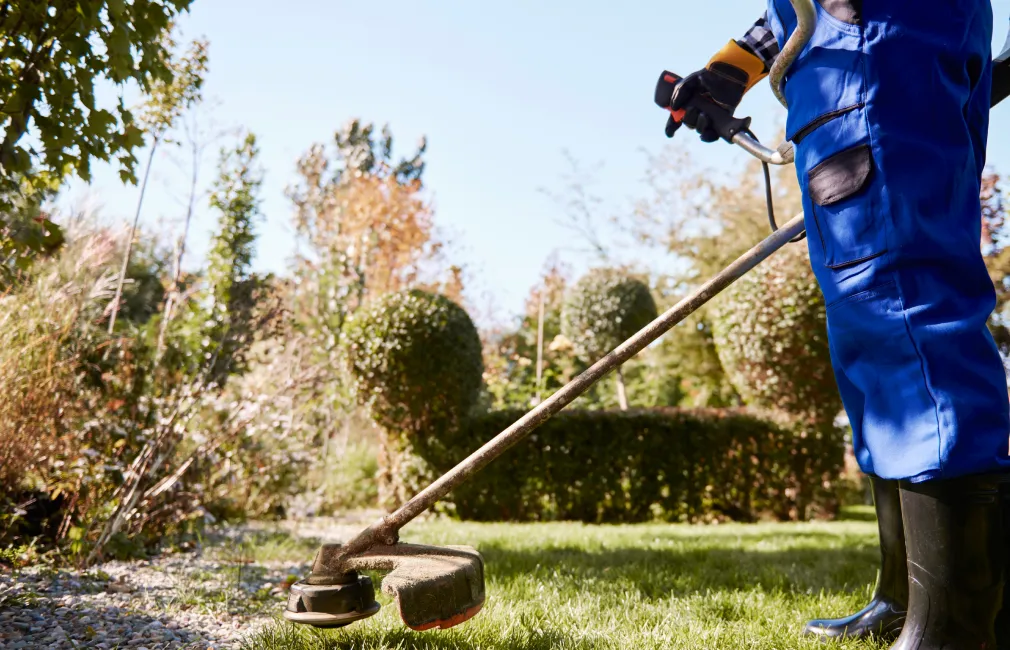
Yard Waste Removal
-
Tree Branch Disposal
-
Sod and Soil Hauling
-
Landscape Debris Cleanup
-
Shrub and Bush Removal
-
Mulch and Rock Removal
-
Garden Structure Disposal
Our Junk Removal Process
Site Evaluation
Customized Plan
Efficient Removal
Responsible Disposal
Final Inspection
Why Choose Sandy Springs Landscape Services
-
Sandy Springs Homeowners Trust Us
-
Expert Lawn Maintenance
-
Reliable Scheduling
-
Competitive Pricing
-
Professional Team
-
Satisfaction Guarantee
-
Personalized Service
Navigating Sandy Springs’s Public Works Protocols for Bulk Junk Disposal
Junk removal in Sandy Springs requires adherence to city-specific protocols established by the Department of Public Works. Residents and property managers must arrange for bulk item pickup through authorized haulers, as curbside collection of large debris is not included in standard municipal waste service. Items such as furniture, appliances, and construction debris must be scheduled for special collection or delivered to approved disposal facilities. Key requirements include:
- Scheduling pickups in advance with city-approved providers
- Ensuring items are placed at designated locations, not obstructing sidewalks or storm drains
- Prohibiting hazardous materials and electronics from bulk disposal
- Verifying current disposal fees and accepted materials
For up-to-date procedures and approved haulers, consult the city’s official resources.
Sandy Springs Works
1 Galambos Way, Sandy Springs, GA 30328
Phone: (770) 730-5600
Official Website: Sandy Springs Works
Red Clay Soils and Drainage Considerations for Junk Removal in Sandy Springs
Sandy Springs is situated within Georgia’s Piedmont region, characterized by red clay soils with moderate to poor drainage and a USDA Hardiness Zone of 7b-8a. When removing junk, especially from yards or wooded lots, it is essential to avoid soil compaction and runoff into local creeks such as Nancy Creek and Marsh Creek. Heavy equipment should be operated with care to prevent rutting and erosion, particularly after rainfall. Best practices include:
- Using plywood or mats to distribute weight on soft soils
- Avoiding removal activities during saturated conditions
- Keeping debris away from stream buffers and drainage ditches
- Restoring disturbed areas with mulch or seed
For soil maps and drainage guidance, refer to the USDA Web Soil Survey.
Environmental Compliance: Protecting Streams and Stormwater During Junk Removal
Junk removal activities in Sandy Springs must comply with local and state environmental regulations to protect water quality. The city’s Stormwater Program enforces measures to prevent debris, chemicals, and sediment from entering storm drains and waterways. Key compliance steps include:
- Never placing junk or debris within 50 feet of streams, ponds, or wetlands
- Using silt fencing or barriers if soil is disturbed near drainage features
- Properly disposing of hazardous materials at designated facilities
- Reporting illegal dumping to city authorities
For broader regulatory context, consult the Georgia Environmental Protection Division and EPA Region 4.
Sandy Springs Stormwater Program
1 Galambos Way, Sandy Springs, GA 30328
Phone: (770) 730-5600
Official Website: Sandy Springs Stormwater Program
Safety, Noise, and Right-of-Way Standards for Junk Removal Crews in Sandy Springs
Sandy Springs enforces municipal codes regarding noise, equipment operation, and right-of-way safety during junk removal. Work involving heavy equipment or large vehicles must comply with city noise ordinances, typically restricting operations to between 7:00 a.m. and 7:00 p.m. on weekdays. Additional requirements include:
- Maintaining clear sightlines at intersections and driveways
- Using cones or signage when working near public roads
- Wearing high-visibility apparel and appropriate PPE
- Avoiding obstruction of sidewalks, bike lanes, or fire hydrants
For code details and enforcement, contact the city’s Community Development department.
Sandy Springs Community Development
1 Galambos Way, Sandy Springs, GA 30328
Phone: (770) 730-5600
Official Website: Sandy Springs Community Development
What Neighborhoods Do We Serve Throughout Sandy Springs, GA?
- Riverside: Features mature tree canopy and proximity to the Chattahoochee River, requiring careful debris handling to prevent runoff into sensitive riparian zones.
- Dunwoody Panhandle: Characterized by wooded lots and narrow streets, which can limit equipment access and necessitate staged removal for large items.
- North Springs: Contains a mix of older homes and newer developments, with compacted fill soils and moderate slopes affecting junk removal logistics.
- Mount Vernon Woods: Known for larger lots and established landscaping, often requiring coordination for driveway access and protection of mature plantings.
- Glenridge Hammond: Urbanized area with multi-family residences and commercial properties, where right-of-way and parking restrictions are common considerations.
- Spalding Woods: Includes creek corridors and flood-prone areas, making environmental compliance and buffer protection especially important.
- High Point: Features rolling terrain and established neighborhoods, with drainage ditches and wooded edges influencing debris staging and removal timing.