
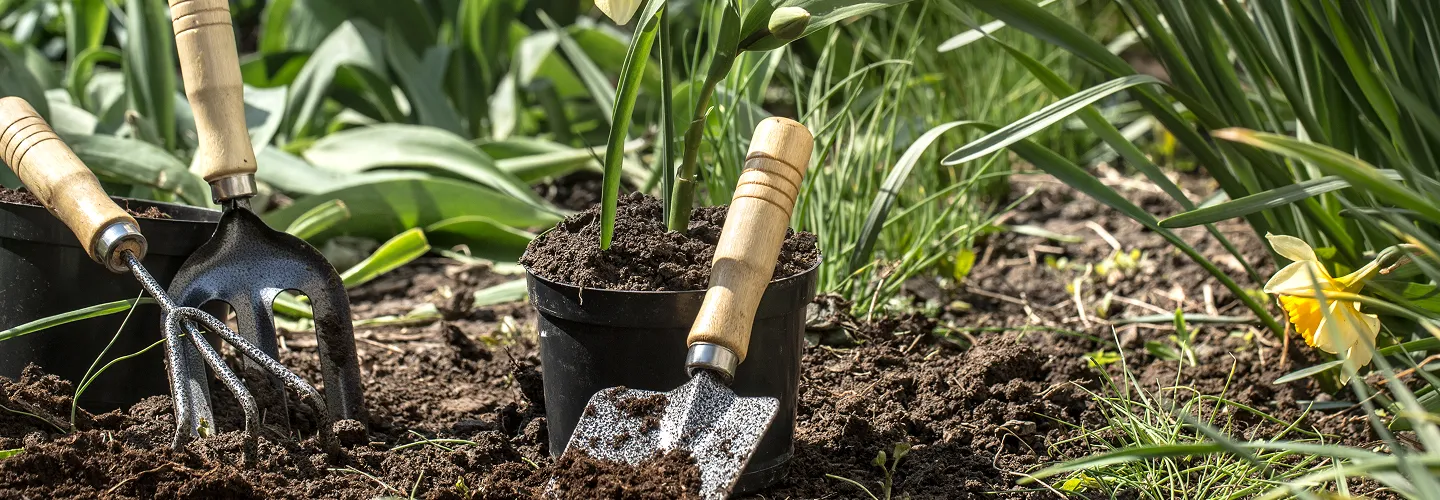
Sandy Springs Flower Bed Maintenance Services
Choose our Flower Bed Maintenance for expert care, healthy blooms, and a beautiful landscape that enhances your home's curb appeal season after season.
Get a Free QuoteOur Sandy Springs Landscaping & Yard Care Services
When to Schedule Flower Bed Maintenance in Sandy Springs, Georgia – Seasonal Guide
In Sandy Springs, Georgia, the best times for flower bed maintenance are closely tied to our region’s unique climate and landscape. Early spring, just after the last frost date, is ideal for cleaning beds, refreshing mulch, and planting annuals, while late fall is perfect for preparing perennials and bulbs for winter. The Chattahoochee River’s influence, along with the area’s rolling hills and shaded neighborhoods like Riverside and Dunwoody Panhandle, means that microclimates can affect when and how you should schedule maintenance.
Local factors such as high summer humidity, occasional drought risk, and the prevalence of clay-heavy soils require a tailored approach. For example, properties near Morgan Falls Park may experience more shade and moisture, while those closer to Roswell Road might contend with compacted soils and higher foot traffic. For more information on local environmental guidelines, visit the official city resource.
Local Factors to Consider for Flower Bed Maintenance in Sandy Springs
- Tree density and shade coverage, especially in neighborhoods like North Springs
- Soil type (clay vs. loam) and drainage patterns
- Seasonal precipitation and drought risk
- Frost dates and temperature fluctuations
- Terrain and slope, which can affect erosion and water retention
- Municipal restrictions or watering schedules
Benefits of Flower Bed Maintenance in Sandy Springs
Enhanced Curb Appeal
Weed and Pest Prevention
Healthier Plant Growth
Seasonal Color Management
Professional Landscape Expertise
Time and Effort Savings
Sandy Springs Flower Bed Maintenance Types

Seasonal Flower Planting
-
Weed Control Services
-
Mulching and Soil Conditioning
-
Edging and Bed Redefining
-
Fertilization Programs
-
Pest and Disease Management
-
Pruning and Deadheading
Our Flower Bed Maintenance Process
Site Evaluation
Weed Removal
Soil Preparation
Plant Care
Mulching
Why Choose Sandy Springs Landscape Services
-
Sandy Springs Homeowners Trust Us
-
Expert Lawn Maintenance
-
Reliable Scheduling
-
Competitive Pricing
-
Professional Team
-
Satisfaction Guarantee
-
Personalized Service
Piedmont Red Clay Soils and Flower Bed Drainage in Sandy Springs
Sandy Springs sits within Georgia's Piedmont region, where the predominant soil series include Cecil, Appling, and Madison soils — all characterized by dense red clay subsoils with limited natural drainage capacity. According to the USDA Web Soil Survey, these soils typically exhibit slow to moderate permeability and a pH range of 5.0 to 6.0, which directly affects flower bed performance. Compacted clay layers restrict root penetration and cause standing water in low-lying beds, particularly in older developed lots throughout the city. Practical steps for managing these conditions include:
- Incorporating 3–4 inches of aged compost or pine bark fines to improve drainage and organic matter content
- Raising bed grades 4–6 inches above surrounding grade to promote surface drainage
- Testing soil pH annually and amending with dolomitic lime when pH falls below 5.5
- Avoiding heavy clay backfill when installing new beds near downspouts or drainage swales
UGA Cooperative Extension provides soil amendment guidance specific to Piedmont clay conditions and Georgia's warm-season growing environment.
Seasonal Planting Windows for Sandy Springs Flower Bed Maintenance
Sandy Springs falls within USDA Plant Hardiness Zone 7b, as confirmed by the USDA Plant Hardiness Zone Map, with average minimum winter temperatures ranging from 5°F to 10°F. This zone designation, combined with the city's humid subtropical climate, creates two primary planting windows for flower bed maintenance:
- Spring installation: Mid-March through early May, once soil temperatures consistently exceed 55°F and frost risk has passed
- Fall planting: Mid-September through October, allowing cool-season annuals such as pansies, snapdragons, and ornamental kale to establish before winter
- Summer maintenance: Deadheading, mulch replenishment, and irrigation management are critical from June through August when heat and humidity accelerate plant stress
- Winter bed preparation: November through February is appropriate for soil amendment, bed edging, and structural replanting of shrub borders
The National Weather Service Atlanta forecast office provides local frost date data and seasonal temperature outlooks relevant to planting timing decisions in Sandy Springs.
Protecting Sandy Springs Stream Buffers During Flower Bed Work Near Creeks and Drainage Corridors
Sandy Springs contains several significant water features, including Marsh Creek, Long Island Creek, and Nancy Creek, along with numerous stormwater detention ponds and drainage corridors throughout residential and commercial areas. Flower bed maintenance activities conducted near these features must comply with local stream buffer protections administered through the city's Natural Resource Protection program. Sandy Springs enforces a 75-foot undisturbed buffer from the banks of state waters under Georgia's Erosion and Sedimentation Act, and additional local buffer requirements may apply depending on zoning and site conditions. Property owners and contractors should:
- Avoid applying granular or liquid fertilizers within 10–15 feet of any drainage inlet, creek bank, or detention pond edge
- Prevent mulch, soil, or plant debris from entering storm drains during bed renovation or replanting
- Use silt fencing or erosion control matting when regrading beds on slopes adjacent to drainage features
- Confirm buffer boundaries before installing new beds near creek corridors
The Sandy Springs Natural Resource Protection program provides guidance on stream buffer compliance and environmental protection requirements for private property.
Sandy Springs Natural Resource Protection
1 Galambos Way, Sandy Springs, GA 30022
Phone: (770) 730-5600
Official Website: Sandy Springs Natural Resource Protection
The Georgia EPD Watershed Protection Branch also administers state-level water quality standards applicable to landscaping activities near regulated water bodies throughout Georgia.
Mulch Selection and Bed Edging Standards Under Sandy Springs's Yard Maintenance Code
Sandy Springs's yard maintenance regulations, administered through Sandy Springs Community Development, establish minimum standards for property upkeep that directly affect flower bed condition and appearance. Overgrown, unmaintained, or weed-infested beds may be subject to code enforcement action, particularly in visible frontage areas and along public rights-of-way. For compliant and effective bed maintenance, the following mulch and edging practices are recommended:
- Apply pine straw or shredded hardwood mulch at a depth of 2–3 inches, keeping mulch pulled back 2–3 inches from plant stems to prevent crown rot
- Re-edge beds at least twice per growing season using a flat spade or mechanical edger to maintain clean separation from turf
- Remove and dispose of weeds before seed set to prevent spread into adjacent lawn areas or neighboring properties
- Avoid rubber or dyed mulch products near drainage features, as these materials may leach compounds into stormwater
Property managers overseeing multiple units or commercial frontages should verify current code enforcement standards directly with Sandy Springs Community Development to ensure compliance with applicable nuisance vegetation ordinances.
Sandy Springs Community Development
1 Galambos Way, Sandy Springs, GA 30022
Phone: (770) 730-5600
Official Website: Sandy Springs Community Development
Georgia Pesticide Licensing Requirements for Flower Bed Weed and Pest Control
When flower bed maintenance involves the application of herbicides, insecticides, or fungicides by a hired contractor, Georgia law requires that the applicator hold a valid pesticide license issued by the Georgia Department of Agriculture. The Georgia Pesticide Use and Application Act of 1976 governs commercial pesticide application statewide, and property owners in Sandy Springs should verify contractor credentials before authorizing any chemical treatment in ornamental beds. Key compliance points include:
- Contractors applying restricted-use pesticides must hold a Category 24 (Ornamental and Turf) or equivalent license
- Pre-emergent herbicide applications in flower beds are typically timed for late February through early March in Sandy Springs, before soil temperatures reach 55°F
- Post-emergent spot treatments should be applied during calm wind conditions to prevent drift toward storm drains or adjacent plantings
- Product labels constitute federal law under FIFRA; all applications must follow label rate and buffer instructions
Residents may verify contractor licensing status through the Georgia Department of Agriculture - Agricultural Pest Control licensing database.
What Neighborhoods Do We Serve Throughout Sandy Springs, GA?
- Dunwoody Village / North Springs: Established residential areas with mature tree canopy and dense shade, requiring shade-tolerant bed plant selections such as astilbe, hellebores, and hostas; compacted clay soils are common beneath older hardwoods.
- Riverside: Lots adjacent to the Chattahoochee River corridor present stream buffer compliance considerations for bed installation and fertilizer application near the riverbank and associated drainage features.
- Hammond Park / Hammond Hills: Mid-century subdivisions with variable soil compaction from decades of development; raised bed construction and organic amendment are frequently necessary to support healthy ornamental plantings.
- Spalding Hills: Larger wooded lots with significant leaf load and shade pressure from mature pines and oaks; mulch management and fungal disease monitoring are recurring maintenance priorities.
- Heards Ferry / Heards Forest: Neighborhoods near Long Island Creek drainage corridors where stormwater buffer awareness is essential during bed renovation and soil amendment work.
- Perimeter Center / City Springs Area: Mixed commercial and residential properties with urban fill soils and limited topsoil depth; raised or containerized bed designs are often more effective than in-ground installations on these sites.