
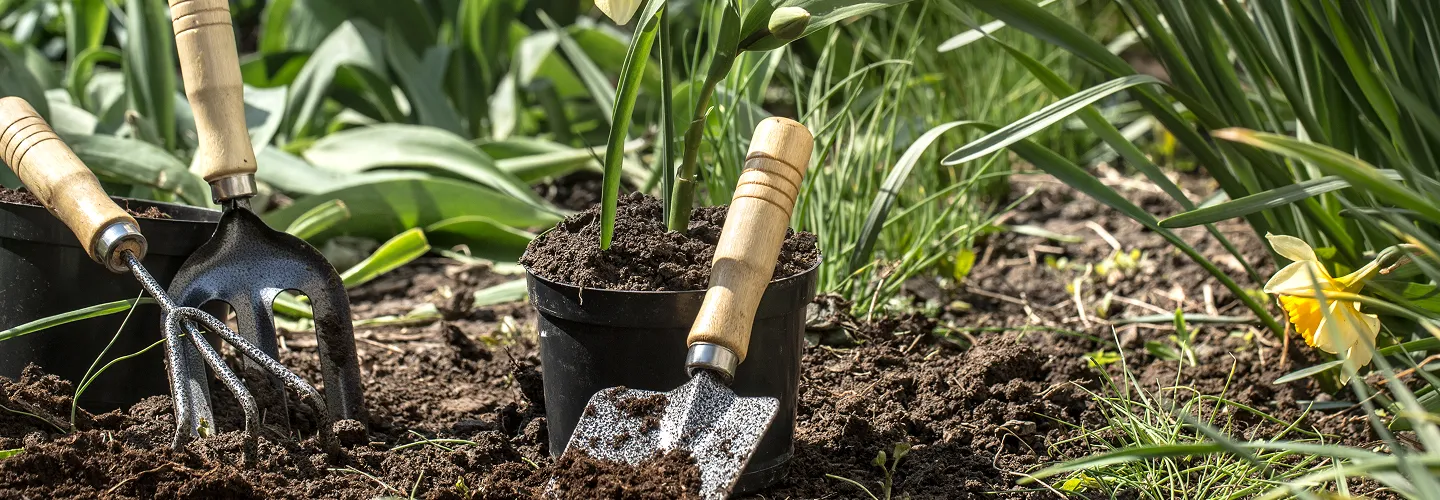
Sandy Springs Flower Planting Services
Choose our flower planting services for vibrant, healthy blooms that enhance your curb appeal and thrive all season long—our experienced team selects the perfect flowers for your space and ensures professional planting for lasting beauty.
Get a Free QuoteOur Sandy Springs Landscaping & Yard Care Services
When to Schedule Flower Planting in Sandy Springs, Georgia – Seasonal Guide
Flower planting in Sandy Springs, Georgia, is best scheduled with careful attention to the region’s unique climate and landscape. The optimal planting windows typically fall in early spring (late March to mid-April) and early fall (late September to October), when soil temperatures are moderate and rainfall is more predictable. These periods allow new plantings to establish strong root systems before the heat of summer or the chill of winter sets in. Neighborhoods like Riverside and Huntcliff, with their mature tree canopies and varying sun exposure, require special consideration for shade-loving versus sun-loving flower varieties.
Local environmental factors play a significant role in determining the best time for flower planting. Sandy Springs experiences occasional late frosts, especially in areas near the Chattahoochee River, so it’s important to monitor the last frost date before planting tender annuals. Soil composition can vary from sandy loam in Glenridge to heavier clay in North Springs, affecting drainage and nutrient availability. Homeowners should also be mindful of drought risk during the summer and consider municipal watering restrictions, which are updated regularly on the city’s official website.
Local Factors to Consider for Flower Planting in Sandy Springs
- Tree density and shade coverage, especially in neighborhoods like Dunwoody Panhandle
- Soil type and drainage, which can differ between riverfront and upland properties
- Average precipitation and risk of summer drought
- Frost dates and seasonal temperature swings
- Municipal watering restrictions and local ordinances
- Terrain and slope, impacting water runoff and soil erosion
By tailoring your planting schedule to these local factors, you can ensure vibrant, healthy flower beds that thrive throughout the seasons in Sandy Springs.
Benefits of Flower Planting in Sandy Springs
Expert Local Knowledge
Customized Landscape Designs
Seasonal Plant Selection
Professional Installation Services
Enhanced Curb Appeal
Sustainable Gardening Practices
Sandy Springs Flower Planting Types

Annual Flower Planting
Brighten your landscape with vibrant annuals that bloom throughout the season.
-
Perennial Flower Beds
Enjoy long-lasting beauty with perennials that return year after year.
-
Native Flower Gardens
Enhance sustainability with flowers adapted to the Sandy Springs climate.
-
Shade Garden Planting
Create lush, colorful displays in shaded areas with shade-tolerant flowers.
-
Pollinator-Friendly Planting
Attract bees and butterflies with a selection of pollinator-friendly blooms.
-
Seasonal Color Rotations
Keep your landscape fresh with expertly timed seasonal flower changes.
-
Container Flower Arrangements
Add flexibility and style with custom flower arrangements in decorative containers.
Our Flower Planting Process
Site Evaluation
Soil Preparation
Plant Selection
Careful Planting
Watering and Mulching
Why Choose Sandy Springs Landscape Services
-
Sandy Springs Homeowners Trust Us
-
Expert Lawn Maintenance
-
Reliable Scheduling
-
Competitive Pricing
-
Professional Team
-
Satisfaction Guarantee
-
Personalized Service
Optimal Flower Planting Windows for Sandy Springs' Piedmont Climate
Sandy Springs falls within USDA Hardiness Zone 7b, where the growing season extends from approximately mid-March through early November. Piedmont Georgia's warm, humid summers and mild winters create distinct planting windows that residents and property managers should observe carefully. According to UGA Cooperative Extension, cool-season annuals such as pansies, snapdragons, and dianthus perform best when installed between late September and early November, tolerating light frosts down to approximately 28°F. Warm-season annuals including impatiens, begonias, vinca, and zinnias should not be planted until soil temperatures consistently reach 60°F or above, typically mid-April through May. Summer heat in Sandy Springs regularly exceeds 90°F from June through August, making heat-tolerant selections and proper establishment watering critical. The National Weather Service Atlanta forecast office provides local temperature and frost-date data useful for timing planting decisions accurately.
Sandy Springs Red Clay Soils and Bed Preparation for Flower Planting
Sandy Springs sits within the Georgia Piedmont, where soils are predominantly Ultisols — specifically Cecil and Appling series red clay loams identified through the USDA Web Soil Survey. These soils are characteristically:
- Acidic, with pH typically ranging from 5.0 to 6.0
- Dense and compacted in developed residential areas due to construction grading
- Slow-draining in low-lying areas, creating waterlogging risk for shallow-rooted annuals
- Prone to surface crusting that limits seedling establishment
Effective bed preparation for flower planting in Sandy Springs requires amending native clay with 3–4 inches of compost incorporated to a depth of 8–10 inches, raising beds where drainage is poor, and conducting a soil pH test before planting. UGA Extension recommends lime applications to raise pH toward 6.0–6.5 for most flowering annuals and perennials. Raised or mounded beds are particularly effective in neighborhoods with heavy fill soils or compacted subgrades from prior construction activity.
Protecting Sandy Springs Stream Buffers During Flower Bed Installation
Sandy Springs contains several significant stream corridors, including Marsh Creek, Long Island Creek, and tributaries flowing toward the Chattahoochee River. The city's Natural Resource Protection program administers stream buffer regulations that directly affect planting activities near these waterways. Under Georgia's Erosion and Sedimentation Act and local ordinance, a minimum 25-foot undisturbed buffer is required along state waters, with additional setbacks potentially applicable in Sandy Springs depending on site conditions. Flower planting activities within or adjacent to these buffers must avoid:
- Soil disturbance that could cause sediment runoff into stream channels
- Application of fertilizers or soil amendments within buffer zones
- Removal of existing vegetation that stabilizes stream banks
The Sandy Springs Stormwater Program provides guidance on drainage infrastructure protection and water quality compliance. Property owners with beds near creek corridors or detention ponds should verify buffer boundaries before beginning any soil preparation or planting work.
Sandy Springs Natural Resource Protection
1 Galambos Way, Sandy Springs, GA 30022
Phone: (770) 730-5600
Official Website: Sandy Springs Natural Resource Protection
Fertilizer and Soil Amendment Compliance for Sandy Springs Flower Gardens
Fertilizer applications in flower beds are subject to Georgia state regulation and local stormwater protection requirements. The Georgia Fertilizer Act of 1997 governs the labeling and composition of fertilizer products sold and applied in the state. For residential flower planting in Sandy Springs, the following practices align with both state guidance and the city's Stormwater Program water quality objectives:
- Apply slow-release granular fertilizers at label-specified rates to reduce runoff potential
- Avoid fertilizer application within 10 feet of storm drains, drainage ditches, or stream buffers
- Do not apply fertilizers immediately before forecasted rainfall events
- Conduct soil testing through UGA Extension before applying phosphorus-containing products, as Piedmont soils are often already phosphorus-sufficient
The Georgia EPD Watershed Protection Branch monitors water quality in the Chattahoochee River basin, which receives runoff from Sandy Springs. Excess nutrient loading from residential landscapes contributes to downstream water quality degradation, making responsible fertilizer use a compliance and environmental stewardship matter.
Sandy Springs Stormwater Program
1 Galambos Way, Sandy Springs, GA 30022
Phone: (770) 730-5600
Official Website: Sandy Springs Stormwater Program
What Neighborhoods Do We Serve Throughout Sandy Springs, GA?
- Riverside: Located adjacent to the Chattahoochee River corridor, this neighborhood features mature tree canopy and stream-proximate lots where buffer compliance and shade-tolerant flower selections such as impatiens and astilbe are particularly relevant.
- Hammond Park: A well-established residential area with older compacted soils and moderate shade from mature hardwoods, requiring bed amendment and careful sun-exposure assessment before planting.
- Spalding Woods: Features larger wooded lots with significant leaf litter accumulation and acidic soil conditions typical of Piedmont red clay, benefiting from annual pH testing and compost incorporation.
- Northridge: A mixed residential area with newer subdivisions where construction fill soils are common, often requiring raised bed construction and drainage improvement before flower planting.
- Glenridge: Characterized by established landscaping, HOA frontage standards, and moderate slopes that increase runoff risk during bed preparation and irrigation.
- Dunwoody-Adjacent Sandy Springs Corridors: Properties near the Perimeter Center area include a mix of commercial-adjacent residential lots with compacted urban soils and limited green space, where container or raised-bed planting may be most practical.
- Long Island Creek Vicinity: Lots near this tributary require particular attention to stream buffer setbacks and erosion control during any soil disturbance associated with flower bed installation.